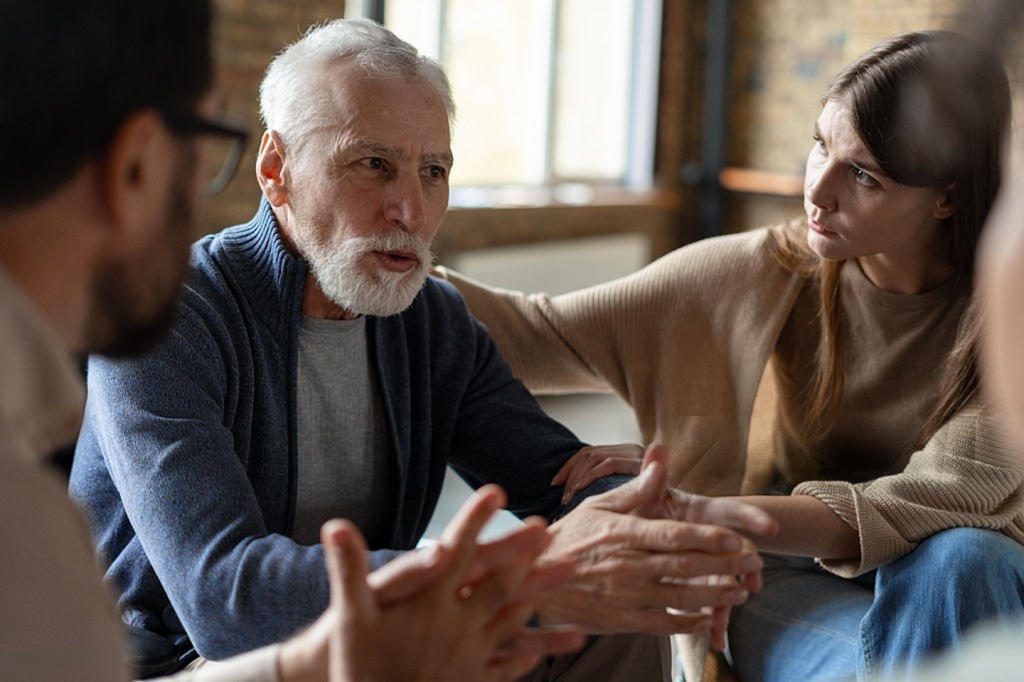
Connection: The Magic Ingredient in Addiction Recovery
Many people think willpower and determination are the most important ingredients in addiction recovery. Others might say it’s a matter of luck or fate, such as which genes a person got in the great genetic lottery.
While all these things play a role, there is another factor that can make all the difference in addiction recovery: connection. While connection alone is not enough to overcome addiction, it makes enough of a difference that it’s worth focusing on as one of the primary factors, and one that can be changed relatively easily for an individual who wants recovery, unlike genetics or the stigma that society puts on addiction.
We are all hard-wired for connection. With it, we thrive; without it we suffer.1 Levels of social connection can predict long-term outcomes for both physical and mental health, impacting everything from overall mortality to depression and psychosis.2 Social connection has a particularly strong impact on recovery from addiction, to the point that it is one of the most important things that researchers have identified that helps people around this life-threatening issue.3
This is one reason addiction and connection are so closely tied together, and why connections in recovery can be life-changing.
What Makes Connection Effective in Addiction Recovery?
For connection to be healing, it has to be more than just being around others. Many people who are faced with addiction find they can be surrounded by others and still feel alone.
Meaningful connection involves a sense of being seen, understood, accepted, and supported. We are a tribal animal, and this means we want to know that we are a vital part of something bigger than just us. It’s not enough to only receive from our tribe, we must also know that we are contributing in some way.
This can be very difficult for people in active addiction, because addiction pushes the people who suffer from it to become a more selfish and isolated version of themselves. Even people who are inherently giving find addiction can undermine this. At the very least, addiction usually involves dishonesty, and that creates separation, pulling people away from connecting with others.
Some people in active addiction try to replace this by building a tribe of others who are also in active addiction, but this usually ends up with hurt feelings and broken relationships as everyone involved starts to prioritize the addiction over connection.
In recovery, connection thus becomes incredibly vital. People in early recovery are taught to work on honesty with self and others. They are encouraged to be of service, which helps them feel connected to those they help. Through this, they rebuild the old relationships that can still be repaired and start forming new ones, sometimes building a new tribe from the ground up. This is the most common factor across the various recovery fellowships, and one of the reasons they are so effective. Human experience shows that few things are as bonding as the shared experience of coming through life-threatening danger together, and there is added benefit to helping the next person get through it, too.
People in recovery also find connection through family relationships, old and new friendships, and spiritual communities for those who are inclined in that direction. This kind of connected recovery helps people feel less alone and more able to stay honest, hopeful, and engaged in recovery.
Why Coming Through Treatment Together Matters
At Windmill, we often see clients arrive full of fear. Among these fears is the question of whether they can fit in with other clients and whether they will even want to. The stigma around addiction runs deep, so clients fear they will be surrounded by people who are “better” or “worse” than them. This is all very normal, and it usually passes fairly quickly.
What our clients find instead is a new community of others who may look very different to the outside observer, but who understand as few others can what they are going through. People nod along when they talk and share similar experiences. Soon, the people they feared meeting are cheering their successes, and they are cheering these new friends’ successes in return.
As our clients gain more footing in recovery, they find opportunities to encourage those who show up after them. Helping others is even more bonding than being helped, and it also builds healthy self-esteem.
All this creates connections that can last a lifetime. Many of our clients stay in touch for a lifetime with those who were in treatment with them. At Windmill, we actively encourage this through our alumni program, which includes private social media groups, alumni activities like our campouts and roundups, and other private social media spaces. In all these settings, we see clients reach out to help and celebrate each other even if they didn’t come through at the same time.
Connection Is Just as Important for Family Members
Families need connection just as much as the person who is struggling with addiction. Unfortunately, many families find that instead, they cut themselves off from help. They may think no one else will understand. Many fear stigma, and sometimes this is validated by bad reactions when they try to share. Some people blame the family or offer ill-informed advice.
That’s why we strongly encourage families to seek connection with people who are familiar with the issues involved, whether through personal experience or specialized professional training.
It’s also important that families not rely solely on support and connection from within their close circle of family and friends. It’s great when that is available, but opinions can’t help but be influenced by the closeness and concern.
Sometimes there is another factor that gets in the way when families try to take addiction on in an insular way. Addiction often runs in families, and even when the active disease skips a generation or two, dysfunctional family patterns persist unless outside help is sought.
Fortunately, there are many sources of connection and support available to families. These include clinical social workers and other therapists who have specialized training and experience in working with families around addiction.
It also involves recovery fellowships by and for family members of those who suffer with addiction. Just as people in recovery gather together to connect with and support each other, family members do the same. These groups are free and usually have in-person, online, and hybrid meetings. The larger fellowships also have printed literature, websites, social media groups, podcasts, and more.
Here’s a list of some of the family recovery fellowships available to help.
- Al-Anon
- Alateen (for teen children)
- SMART Recovery Family & Friends
- Celebrate Recovery
- Families Anonymous
- Codependents Anonymous (CoDA)
- Nar-Anon
Adult Children of Alcoholics and Dysfunctional Families
- NAMI (National Alliance on Mental Illness)
- PALS – Parents of Addicted Loved Ones
At Windmill, we are also proud to offer our weekly family workshop, where family members of our clients gather to discover they are not alone and that help is available from those who understand. We are thrilled to see the connections that have grown through this, and we are especially humbled by the community of alumni family members who continue to attend, sometimes for years after their loved one has left treatment with us.
The first hour of our family workshop is open to anyone who might need it, even if they have never had a loved one at Windmill. If you or someone you know could benefit, join us online:
Every Saturday from 10-11AM Central Time
Zoom ID: 818 0301 3614
Password: 387319
How to Build Stronger Connections in Recovery
Many people know connection matters, but they do not know where to start. The good news is that building stronger connections in recovery does not have to happen all at once. It can begin with one honest conversation, one meeting, or one safe relationship.
Some practical ways to build connection include:
- Going to recovery meetings regularly
- Getting honest with a therapist, sponsor, or recovery coach
- Reaching out to alumni or sober friends
- Being of service to others in recovery
- Letting trusted family members know what support helps most
- Joining family workshops or family recovery groups
The goal is not to become instantly close to everyone. The goal is to keep moving away from isolation and toward healthy support. Over time, these small steps can create a strong recovery network that helps people stay grounded when life gets hard.
How Windmill Builds Connection in Addiction Recovery
At Windmill Wellness Ranch, we know that relationships and connection can make a lifesaving difference. That’s why we put so much focus on building recovery community through group therapy that brings people closer, multiple recovery fellowships, clients lifting each other up, and our family program.
We put a special focus on trauma therapy, because we know that as trauma responses are reduced, people find it easier to connect. Our personalized recovery coaching and master-level therapy approaches encourage connection as well.
Addiction often runs on isolation, so we teach our clients how to beat it through connection with self, family, community, and spirituality for those who resonate with it.
If you or someone you love needs support, we are here. Call 830-223-2055 or contact us online to take the first step toward healing.
References
- Brandt, L., Liu, S., Heim, C., & Heinz, A. (2022). The effects of social isolation stress and discrimination on mental health. Translational psychiatry, 12(1), 398.
- Holt‐Lunstad, J. (2024). Social connection as a critical factor for mental and physical health: evidence, trends, challenges, and future implications. World Psychiatry, 23(3), 312-332.
- Patterson, M. S., Francis, A. N., Pew, S. H., Liu, S., Kang, Z., Heinrich, K. M., & Prochnow, T. (2025). Exploring support provision for recovery from substance use disorder among members of a sober active community. Scientific Reports, 15(1), 8740.
Frequently Asked Questions
Is connection really as important as therapy or treatment?
It’s more accurate to recognize that therapy and treatment help build connection, which in turn makes recovery more likely to succeed.
What if I don’t feel like I fit in at recovery meetings?
This is a common fear, but stick with it and look for the similarities rather than the differences. Over time, even highly skeptical people find they become increasingly connected to the meetings and the members.
Can family members benefit from support groups even if their loved one is not sober?
Absolutely! Family members find they can recover whether their loved ones get into recovery or not. Family members need their own healthy connections to people who understand.
Why does addiction cause so much isolation?
The secrecy, guilt, and shame that so often accompany addiction set up conditions that make isolation very easy. As behaviors become increasingly distant from values, people get caught in a dangerous cycle of addiction and disconnection.
Can online recovery communities provide meaningful connection?
Online recovery meetings are a vital lifeline for many people, sometimes creating recovery communities that span the world. For others, online recovery is too foreign or lacks something they need. There is no one-size-fits-all solution, so it’s important that people try different things to see what works best for them. The most important thing is that people seeking to find and sustain recovery keep building connections.