

Adult Residential Addiction Treatment
Thirty hours of programming a week, an individual counselor, and a length of stay set by your progress rather than a calendar.
Recovery Skills, Learned in Place
During residential treatment, clients learn recovery skills, interpersonal skills and mental health management skills to manage mental health issues such as depression, anxiety, trauma, grief, mood disorders, and others.
The length of stay is determined individually by our clinical team with the client. Read more about length of stay.
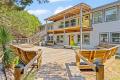
What a Week in Residential Treatment Looks Like
Residential clients attend 30 hours of programming per week. The residential program is centered on evidence-based practices, recent neuroscience discoveries and the mind-body connection.
In addition to clinical participation, clients also learn about the 12-step program and attend 12-step meetings on campus and off campus. Read about the 12-step program.
Topics Covered in Programming
Programming covers the practical skills recovery asks for, alongside the clinical work.
Individual Counseling and the Work Underneath
Clients work with an individual counselor to resolve any presenting mental health issues, trauma issues and any adverse childhood experiences.
Mental health issues, trauma, and adverse childhood experiences are risk factors that may be contributing to the addiction, which is why they are treated here rather than deferred. See how we approach co-occurring mental health conditions.

Continuing Care After Residential Treatment
After residential treatment, it is important to participate in continuing care. Upon discharge from residential care, each client will have an aftercare plan to include continued psychiatry, therapy and any other resources needed to continue recovery.
That plan often includes our intensive outpatient program or transitional and sober living.
Frequently Asked Questions
How many hours of programming will I attend each week?+
Residential clients attend 30 hours of programming per week.
How long is residential treatment?+
The length of stay is determined individually by our clinical team together with the client, rather than being set in advance. Read more about length of stay.
Will I work with an individual counselor?+
Yes. Every client works with an individual counselor to resolve presenting mental health issues, trauma issues, and any adverse childhood experiences.
Are 12-step meetings part of residential treatment?+
Yes. Clients learn about the 12-step program and attend meetings both on campus and off campus.
Is smoking allowed during residential treatment?+
During residential treatment, smoking is allowed within the designated smoking areas.
What happens when residential treatment ends?+
Each client is discharged with an aftercare plan covering continued psychiatry, therapy, and any other resources needed to continue recovery.
Take the Next Step Toward Residential Care
Read about The Windmill Way and our holistic approach, or reach out for a free assessment and insurance verification. Same-day admits are welcome and happen often.