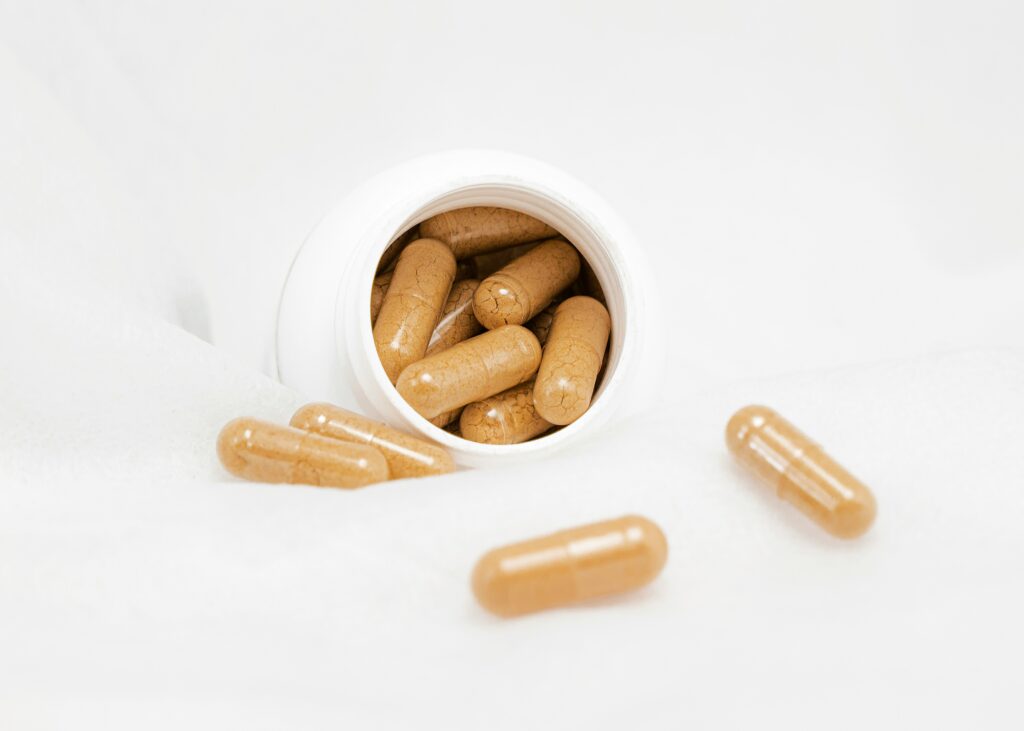
Kratom vs 7-OH: Two Clients’ Stories of Struggle and Hope
September 1st, 2025
As we
let you know in this blog post, Kratom and 7-hydroxymitragynine (7-OH) may
seem like “natural” alternatives to opioids—but at Windmill
Wellness Ranch, we’ve
witnessed how easily they can lead to dependence and despair. In this post, two
clients bravely shared their personal journeys—not just to warn others, but to
show that recovery is possible.
What Are Kratom and 7-OH?
Kratom
(Mitragyna speciosa) is a Southeast Asian plant used in teas or powders. In
small amounts, it can act like a stimulant; in larger doses, it produces
opioid-like effects. However, 7-OH is far more potent and is often sold in
concentrated, extract-based products like chewables or vapes.
A single
30 mg 7-OH chewable can deliver opioid-like effects comparable to covered oxycodone doses—yet it’s
widely available without medical oversight [1].
Case Study 1: From “Herbal Curiosity” to 7-OH Addiction
This
client had been in recovery after treatment in Florida and stayed sober for
four years. He turned to kratom believing it was harmless.
“It felt
like a caffeine buzz at first. I thought I had found something harmless. But
within six months I was drinking it every day. I realized it was habit forming,
but I couldn’t stop.”
When
kratom stopped working, he was steered toward 7-OH at a smoke shop.
“He
said, ‘Have you tried 7OH? It’s like stronger kratom.’ Nothing about it being
addictive, nothing about the risks.”
Within a
month, he was consuming five 30 mg tablets per day. Despite working in IT and
planning a move to California, nearly all of his income was swallowed by the
addiction.
“I was
losing weight, not eating, and just sitting in front of the TV. It was the same
cycle I’d gone through on opioids—and I got really depressed.”
Withdrawal
symptoms—restless legs, insomnia, crushing depression—led him back to kratom
briefly, just to reduce the pain. Finally, with encouragement from his loved
ones, he sought treatment at Windmill.
Case Study 2: A Rapid Descent into Dependence
This
client first encountered 7-OH while in sober living, introduced by a friend.
“I
started with half a pill—15 mg—and within 20 minutes I had to pull over my car
because it hit me so hard. I felt tired, euphoric, and completely at ease.”
Tolerance
built fast. He soon took up to eight 30 mg pills daily—around 150 mg per day.
“Compared
to kratom, it was at least ten times stronger. I spent most of my days in bed,
isolated from everyone. The withdrawals were the worst I’ve ever experienced.
My body was on fire, I had cold sweats, chills, and crippling anxiety.”
Reflecting
on his experience:
“If
someone I cared about was thinking of trying 7OH, I’d tell them it can ruin
your life really quickly. The tolerance builds in days, and the withdrawals are
worse than opiates. If it became illegal tomorrow, I would celebrate—it
shouldn’t be legal at all.”
Why Do People Get Hooked on Kratom and 7-OH?
These
stories highlight key risk factors:
- Misleading marketing:
Kratom and 7-OH are often sold as “herbal” and “natural” despite their
opioid-like strength . - Wide availability:
Easily purchased at smoke shops, gas stations, and online. - Unregulated potency:
Extracts like 7-OH can vary widely in strength, increasing overdose risk [2]. - Rapid tolerance and
severe withdrawal: Dependence can develop quickly, with painful symptoms
when use stops. - Lack of dosing guidance:
Consumers often have no idea how much they’re taking
[3].
Treatment and Recovery

Recovery
is possible—but rarely without professional help. Treatment at Windmill starts
with medical detox to safely manage withdrawal, followed by evidence-based
therapies and brain-focused treatments like neurofeedback and TMS. Family therapy helps rebuild relationships and support
systems.
How to Support a Loved One Struggling with Kratom or 7-OH
If
someone you care about is using kratom or 7-OH:
- Speak with empathy, not
blame. - Educate yourself—these
substances act like opioids, not dietary supplements. - Encourage professional
treatment rather than self-detox. - Join family therapy or
support groups to develop healthy boundaries and compassion.
Our Approach at Windmill Wellness Ranch
We are
among the few treatment centers addressing kratom and 7-OH addiction directly.
Our holistic program combines medical detox, advanced
neurotechnology, evidence-based therapies, and strong alumni and family support.
We’re
also partnering with Johns Hopkins University to advance research into
effective treatment and policy solutions for 7-OH and similar emerging
substances.
Hope and Recovery Are Possible
These
two clients’ stories show how swiftly kratom and 7-OH can take hold—and how
recovery remains within reach. With the proper care, restoration is real. If
you or someone you love is struggling, Windmill Wellness Ranch is ready to walk
with you toward healing. Call 830-223-2055
or contact us online.
References
[1] McCurdy, C. R., Sharma, A., Smith, K. E., Veltri, C. A.,
Weiss, S. T., White, C. M., & Grundmann, O. (2024). An update on the
clinical pharmacology of kratom: uses, abuse potential, and future
considerations. Expert Review of Clinical Pharmacology, 17(2),
131-142.
[2] Demick,
D. S., Lee, T. T., Summers, A. T., & El-Mallakh, R. S. (2020). Kratom: a
growing substance of abuse in the United States. Annals of Clinical
Psychiatry, 32(3), 8-13.
[3]
Knopf, A. (2025). FDA takes steps to restrict kratom byproduct. Alcoholism
& Drug Abuse Weekly, 37(30), 8-8.