Emerging Danger in the Opioid Crisis: 7-OH, 7Tabz, On7
July 7th, 2025
By P. Casey Arrillaga, LCSW, LCDC
The Dangerous New Player in the Opioid Crisis is a Drug
You’ve Probably Never Heard Of: 7Tabz, On7, and 7-OH
At Windmill, we pride ourselves on being on the cutting
edge. That’s why we are dedicated to bringing you the latest information, not
only about what is happening today in addiction and mental health recovery, but
also about what’s coming next. We were among the first to tell you about
subjects like marijuana
hyperemesis, and xylazine,
and new
advances in TMS.
Most people are aware of the opioid crisis and the dangers
of fentanyl, heroin, and opioid pills. But while fentanyl deaths have been
going down, another opioid drug is quietly becoming more common—and more
dangerous. It’s called 7-hydroxymitragynine, or 7-OH for short,
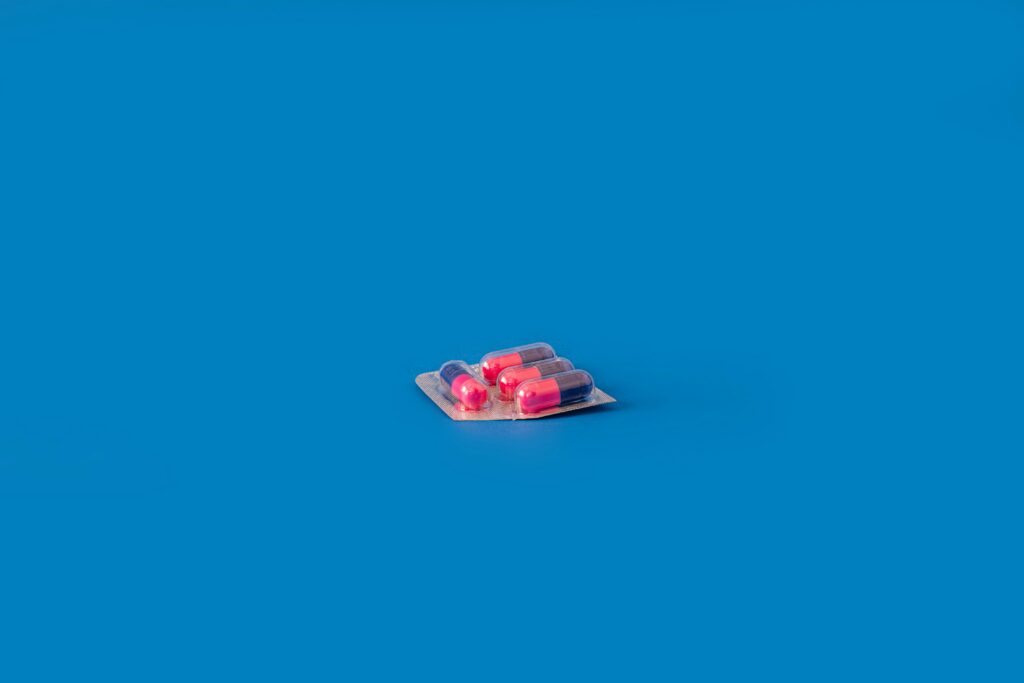
and it’s being sold in the U.S. as chewable tablets and vape products under
names like On7, 7tabz, or 7-OH.
These products are often labeled as “natural” or
“kratom-based,” which can make them seem harmless. But they are strong
opioid drugs that can cause serious harm, especially when people don’t know
what they’re really taking. We’re starting to see more addiction and deaths
involving this drug—and we think families and people in recovery need to know
what they’re up against.
What Is 7-OH and Why Should I Worry?
7-OH is a chemical that comes from the kratom plant,
a tree that grows in Southeast Asia. Some people use kratom tea or powder to
help with pain or anxiety, but 7-OH is much stronger than regular kratom.
Scientists have found that it affects the brain in similar ways
to prescription opioids like oxycodone or morphine [1].
Even though it acts
like a strong painkiller, 7-OH is being sold over the counter in gas
stations, stores, and online. It’s often sold in chewable tablets containing
30 mg or more, and many users don’t realize how strong a dose that is. These
tablets can deliver pain relief, euphoria, and sedation like a prescription
pain pill—while also bringing risks
of respiratory depression, addiction, and overdose [2] —all
without any warning label or doctor supervision.
No Regulation, No Safety Checks
The real danger comes from how these products are made.
Because 7-OH isn’t a prescription drug, it’s not regulated by the government.
This means:
- There
are no rules about how much of the drug can be in each pill or vape. - Some
batches are much stronger than others, which can lead to accidental
overdoses. - There’s
no dosage guidance, so people may take too much without realizing it.
In fact, studies show that 7-OH levels in these products can change a lot from
batch to batch [3]. One On7 chewable might have a mild effect,
while the next one could knock someone out—or worse.
“Natural” Doesn’t Mean Safe
One of the reasons people try these tablets is because
they’re advertised as “natural” or “plant-based.” But this is misleading.
Just because something comes from a plant doesn’t mean it’s safe. In fact,
pretty much every addictive drug has its roots in all-natural plants, such as
the cocaine leaf, opium poppy, fermented plants to create alcohol, etc.
In the case of 7-OH,
the chemical is taken out of the kratom plant and concentrated to make
it stronger. It’s no longer like kratom tea—it’s more like a synthetic
opioid that hits hard and fast. People who would never touch fentanyl or
heroin may feel more comfortable trying On7 because it sounds safer. But it’s not.
7-OH Is Showing Up in Street Pills Too
To make things worse, drug dealers are starting to mix
7-OH with other dangerous opioids like nitazenes (which are even
more powerful than fentanyl). These mixtures are being pressed into pills that
look like real painkillers. Researchers have found that 7-OH is particularly
dangerous when mixed with other substances [4], whether
cut together by street dealers or when kratom is taken with other drugs.
The result is a growing number of overdoses where people
have no idea what they actually took. Standard drug tests don’t always
pick up 7-OH, so it can also make it harder for doctors or emergency responders
to know how to treat someone in crisis.
A New Threat for People in Recovery
Many people in early recovery—or even those just trying to
cut back—are especially at risk. Some people may think using On7 won’t count as
a “relapse” because it’s “natural” or sold legally. Others may be curious and
assume it’s safe because they can buy it online.
But make no mistake: 7-OH is a powerful opioid. It
can cause physical dependence, withdrawal symptoms, and cravings—just like
other drugs in its class. And because of how unpredictable the products are, someone
could overdose even if they’ve only used it once.
What Can You Do?
Here’s what we recommend if you or someone you love is
curious about or already using On7 products:
- Don’t
be fooled by “natural” claims—this is not regular kratom. - Avoid
trying it just because it’s legal or easy to get. Legal doesn’t mean
safe. - Talk
to a professional if you’re in recovery and feel tempted to use
something like On7. - Get
help right away if someone shows signs of overdose, such as slow
breathing, confusion, or passing out.
Final Thoughts
7-OH is a new and fast-growing danger in the world of
addiction and drug misuse. It may not be on everyone’s radar yet, but that
doesn’t mean it’s safe. In fact, its easy availability and misleading branding
make it especially risky.
If you’re concerned about yourself or someone you care
about, reach out before it becomes a crisis. With education, support,
and treatment, recovery is always possible—no matter the drug involved.
Our admissions team can walk you through what to expect
and answer any questions.
Call 830-251-5606 or contact us online.
References:
[1] McCurdy, C. R., Sharma, A., Smith, K. E., Veltri, C. A.,
Weiss, S. T., White, C. M., & Grundmann, O. (2024). An update on the
clinical pharmacology of kratom: uses, abuse potential, and future
considerations. Expert Review of Clinical Pharmacology, 17(2),
131-142.
[2] Demick,
D. S., Lee, T. T., Summers, A. T., & El-Mallakh, R. S. (2020). Kratom: a
growing substance of abuse in the United States. Annals of Clinical
Psychiatry, 32(3), 8-13.
[3] Di Trana, A., Berardinelli, D., Montanari, E., Berretta,
P., Basile, G., Huestis, M. A., & Busardo, F. P. (2022). Molecular insights
and clinical outcomes of drugs of abuse adulteration: new trends and new
psychoactive substances. International Journal of Molecular Sciences, 23(23),
14619.
[4] Striley, C. W., Hoeflich, C. C., Viegas, A. T.,
Berkowitz, L. A., Matthews, E. G., Akin, L. P., … & McCurdy, C. R.
(2022). Health effects associated with kratom (Mitragyna speciosa) and
polysubstance use: a narrative review. Substance abuse: research and
treatment, 16, 11782218221095873.
About The Author
P. Casey Arrillaga is the Team Leader for Education at
Windmill Wellness Ranch, and he is the author of books including “Realistic
Hope: The Family Survival Guide for Facing Alcoholism and Other Addictions”.