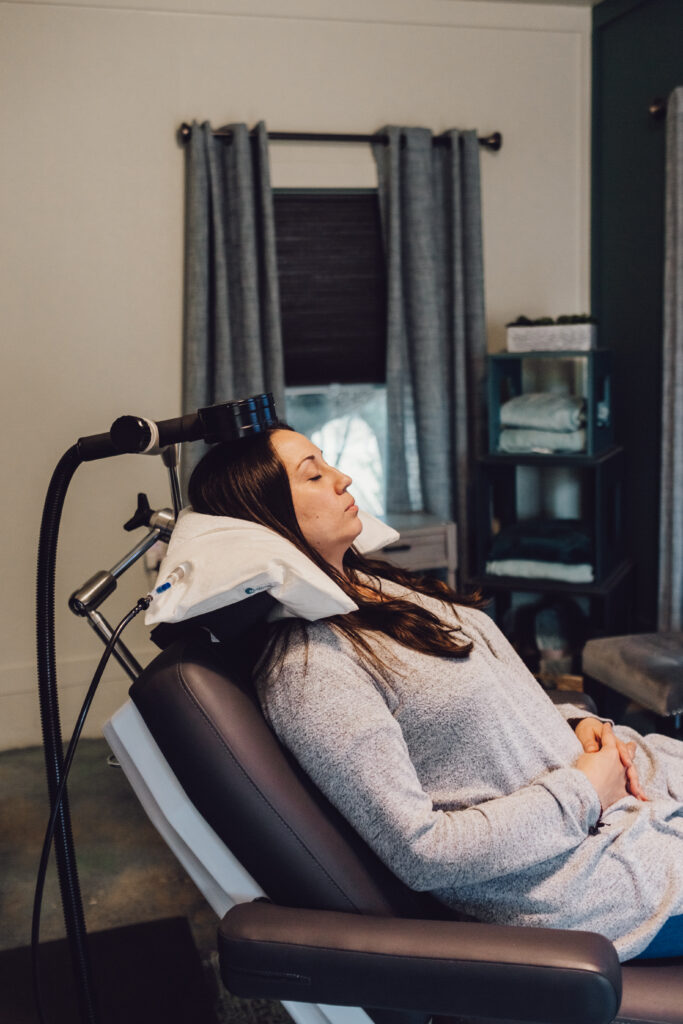
Transcranial Magnetic Stimulation [TMS] for Addiction and Mental Health: A Promising Treatment Gets Even Better
June 9th, 2025
By P. Casey Arrillaga, LCSW, LCDC
Transcranial Magnetic Stimulation, or TMS, is a cutting-edge
treatment that uses magnetic pulses to stimulate specific areas of the brain. It
has been recognized as a powerful tool to help people with mental health issues
such as anxiety, depression, and addiction, all without any serious or
long-term side effects. There have been exciting new developments using TMS in
increasingly personalized ways to get even better results for people seeking
real relief. This post explores what we know so far, improved techniques that
are increasing the effectiveness of TMS, and how we are using this knowledge to
help people directly.
How TMS Helps With Addiction and Other Mental Health
Conditions
According to the National Institutes of Health, the use of
electrical impulses on the human brain got attention as far back as the
late 19th century, but its evolution into transcranial magnetic
stimulation [TMS] traces to landmark research and discoveries
in 1985. TMS a non-invasive procedure, meaning no surgery or medication is
involved. This is particularly helpful for people who have a history of
substance abuse. TMS is gaining popularity because it can help people
struggling with many mental health conditions. For instance, research has shown
that people with treatment-resistant depression often experience real
relief with TMS, giving hope to those who have tried everything else
without success.
TMS isn’t just for depression—it’s also being used to help
with anxiety, post-traumatic stress disorder (PTSD), and obsessive-compulsive
disorder (OCD). Studies have shown that stimulating certain parts of the brain
can reduce the
constant worry and distress that come with these conditions. The FDA has
even approved TMS for treating OCD in some cases.
Another exciting use of TMS is in treating addiction.
Whether it’s alcohol, drugs, or nicotine, substance use disorders can be
extremely hard to overcome. TMS offers a new approach by targeting the brain
areas responsible for cravings, reward, and self-control. For example, in one
study, people with cocaine addiction who received TMS had fewer
cravings and used less cocaine than those who didn’t get the treatment.
This suggests that TMS can be a powerful tool in the journey to recovery. In another
study, smokers who received deep TMS to key areas of the brain were more likely
to quit and stay smoke-free compared to those who didn’t receive active
treatment. This supports the idea that TMS works by calming
the brain circuits that drive addictive behaviors, making it easier to
break the cycle.
How We Are Making TMS Even Better
One of the most exciting improvements in recent years is the
increasing personalization of TMS. Research shows that there is great
potential in tailoring TMS to the individual, so that we move away from a
one-size-fits-all model. One such personalized approach is used at the Brain Frequency Center located on site at
Windmill Wellness Ranch. Brain
Frequency uses iTMS, which stands for “Individualized TMS.” This treatment
protocol starts with taking a qEEG, which is a measurement of electrical
activity in the brain. This allows the medical staff to see how well different
brain regions are doing both individually and in conjunction with each other. The
iTMS can then be targeted in both location and strength to the issues each
individual is experiencing. In addition, a new qEEG is taken each time a client
has completed 10 treatments. As these results are run through sophisticated
software analysis, clients and providers can see both progress and areas for
improvement.
Internal and external research on the Brain Frequency
approach shows that this type of individualized treatment leads to improvement
in symptoms of anxiety, depression, ADHD, sleep, and desire to use alcohol or
other drugs. In fact, independent observation and analysis from Trac9 showed that the Brain Frequnecy protocol
helped improve clients’ motivation to recover from addiction.
Interestingly, TMS is one of many ideas that falls under the
umbrella of “biohacking,” which is a movement to find effective alternative and
cutting-edge approaches to improving human health. The more TMS is
individualized, the more it falls in line with this idea, since biohacking
often involves seeing what novel approaches can help a given person be the best
version of themselves. Watch this blog space, as we will likely do a
comprehensive overview of biohacking sometime soon.
How Do We Use This
Knowledge to Help People?
At Windmill, we are passionate about finding innovative ways
to help each client. This is one of the reasons we host the Brain Frequency
Center to do iTMS on our campus. While it is a separate service and is thus
optional, every client at Windmill gets a qEEG near the beginning of their
stay. Whether or not they decide to utilize Brain Frequency as part of their
treatment, this first qEEG can help guide staff in personalizing treatment for
that client.
In addition, we have a weekly staff meeting with members of
the medical, clinical, recovery coaching, and Brain Frequency teams to see how
we can best collaborate in each client’s care. Having this depth of information
and insight helps guide treatment decisions such as therapeutic approach,
medication, and when each client seems ready to move into the next phase of
their recovery journey.
The Bottom Line
As more research continues, TMS is quickly becoming a
valuable part of mental health and addiction care. It can be used on its own or
alongside other treatments like therapy and medication. With its increasing
availability and encouraging results, TMS offers new hope for people and
families searching for effective, lasting relief from mental health and
addiction challenges.
About The Author
P. Casey Arrillaga is the Team Leader for Education at
Windmill Wellness Ranch, and he is the author of books including “Realistic
Hope: The Family Survival Guide for Facing Alcoholism and Other Addictions”.