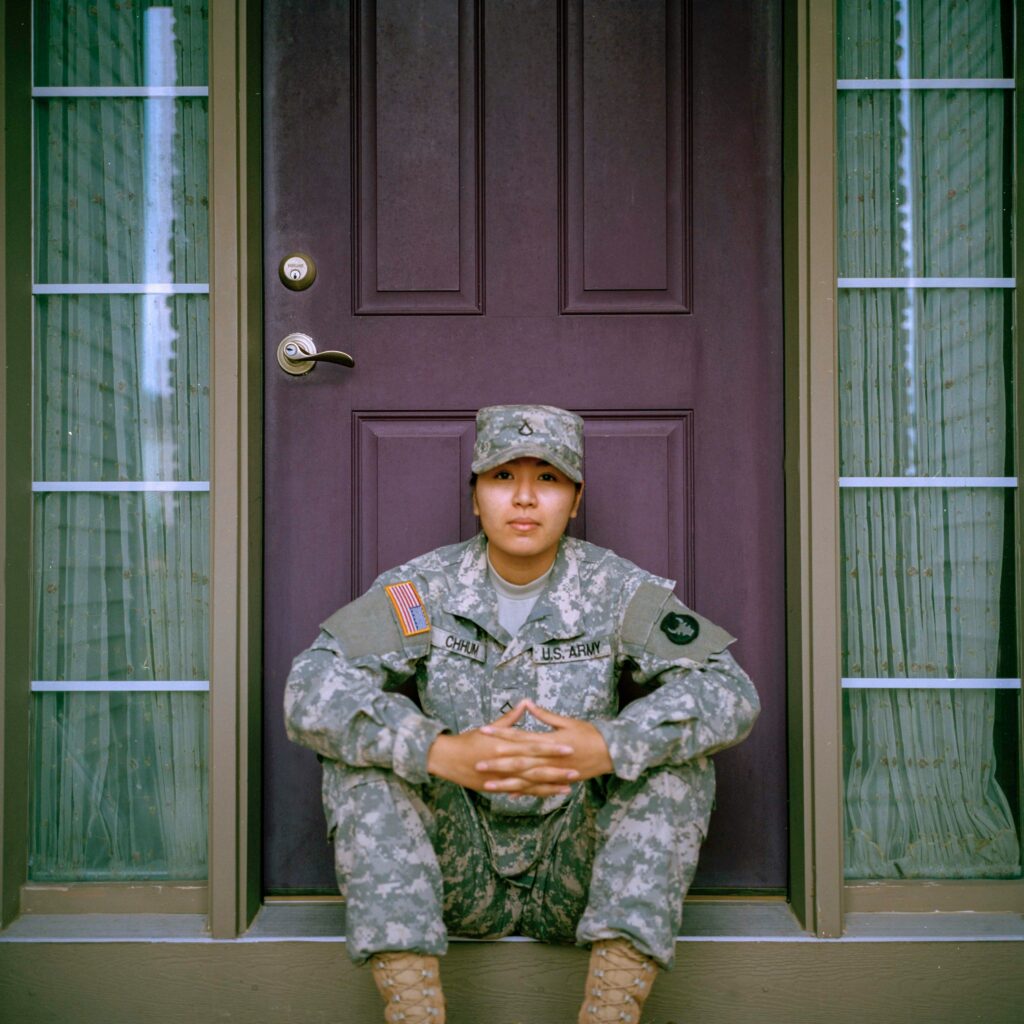
TBI and the Military: Taking Care of Those Who Protect Us
March 31st, 2025
By P. Casey Arrillaga, LCSW, LCDC
NOTE: This is the third post in our series on TBI. The first
post was TBI and Addiction, released on 3/3/25, followed by our post
on TBI and Other Mental Health Issues on 3/17/25.
Military personnel risk their lives every day to keep our
country safe and our society free, yet they are often not free of the long-term
effects of physical and emotional trauma from doing their jobs. Traumatic Brain
Injury [TBI]is a very common hazard in the military, and its effects can go on
for a lifetime, especially if untreated. TBI is a serious condition for anyone,
especially impacting mental health including addiction, and thus overall life
functioning, yet its dangers have often been misunderstood and even overlooked
in the military, meaning that those who have served their country are at risk
long after they leave the theater of war. This post explores what we know so
far and what we can do to help.
What We Know So Far
TBI has been studied in some form in the military as far
back as the Civil War, but until the modern conflicts in Iraq and Afghanistan,
only the most serious injuries, usually involving skull penetration, were
treated with anything more than exercises to restore motor function. This is
not to suggest that the military didn’t care, so much as that the effects of
TBI were poorly understood.
It must also be considered that the age-old goal of most
military medicine is to restore military personnel to warfighting capability. Thus,
TBI, which is much less obvious than a gunshot wound, got less focus until the
most recent conflicts. Now that these wounds are getting more closely tracked,
it is estimated that as many as 35% of the more than 1.6 million military
personnel who served in Iraq and Afghanistan suffered a TBI of some sort.
As medicine has advanced, so has the understanding that TBI
is a form of military trauma that affects both physical and psychological
health long after the fighting is over. We now know that after they have left
the military, veterans must still combat the effects of their head injuries. As
detailed in our earlier posts on TBI, such invisible wounds bring with them a
significant risk of developing or increasing addiction, depression, anxiety,
and suicidal thinking, among other problems.
For those in military service, common causes of TBI include
exposure to blasts from improvised explosive devices [IEDs], falls, vehicle
crashes, training accidents, and direct combat-related trauma. Service members
deployed in conflict zones are particularly vulnerable to these injuries. In
such dangerous situations, medical personnel may have limited resources to
assess and treat brain injuries promptly. Additionally, warfighters may
downplay symptoms to continue their missions, putting them at even greater risk.
That mission-first attitude helps to advance military objectives, but can lead
to veterans habitually downplaying their symptoms while they are actually suffering.
This affects not only them, but also their families, who may be puzzled and
worried by symptoms that none of them realize are actually from invisible
combat trauma.
Mild TBI, often referred to as concussions, may result in
temporary confusion, headaches, dizziness, and memory issues. More severe TBI
can lead to long-term cognitive impairments, emotional disturbances, and
physical disabilities. Service members with moderate to severe TBI may
experience difficulty with speech, motor skills, and executive functions,
significantly affecting their ability to perform military duties and
reintegrate into civilian life. Repeated mild TBI, which are common in combat
environments, can compound over time and lead to chronic traumatic
encephalopathy (CTE), a degenerative brain condition associated with memory
loss, behavioral changes, and cognitive decline.
The Department of Veterans Affairs (VA) provides specialized
TBI rehabilitation programs, mental health support, and disability compensation
to assist affected veterans. Despite these resources, many veterans face
barriers to care, such as long wait times and difficulties navigating the
healthcare system. The normal frustration and barriers around the VA are made
worse for veterans who are suffering from TBI effects.
How Do We Use This Knowledge to Help People?
At Windmill, we not only screen every client for TBI as part
of our thorough assessments, every client is also given an EEG shortly after
arrival, which allows us to directly see if there are effects of concussion and
TBI. Through this process, our clients, team, and family members can then move
forward armed with objectively accurate information. When we find evidence that
someone has had TBI, we have cutting-edge tools including validated
psychometric tools and individualized Transcranial Magnetic Stimulation [TMS], as
well as some of the best trauma therapy available to help people not only
manage their lives, but also directly reduce the effects of TBI, thus giving
them a much greater chance of recovery from both the TBI and any mental health
struggles.
In addition, we offer specialized services for active-duty
military, military veterans, and first responders. We have what it takes to
overcome combat trauma, other military trauma, and first-responder trauma, both
physical and psychological, including any TBI effects.
Given the social challenges that many veterans with TBI
experience, we use as social approach in working with each client to make sure
they have the resources to continue building their network and their
understanding of the support available to them. This includes our strong alumni
program for both clients and their families.
The Bottom Line
Addressing the long-term effects of TBI in those who have
served is crucial for their overall well-being and successful reintegration
into civilian life. By understanding the unique challenges faced by service
members and veterans, we can provide targeted support and advanced treatments
to mitigate the impact of TBI. If you or anyone you love has been affected by
TBI and/or mental health struggles, reach out for help now.
About The Author
P. Casey Arrillaga is the Team Leader for Education at
Windmill Wellness Ranch, and he is the author of books including “Realistic
Hope: The Family Survival Guide for Facing Alcoholism and Other Addictions”.